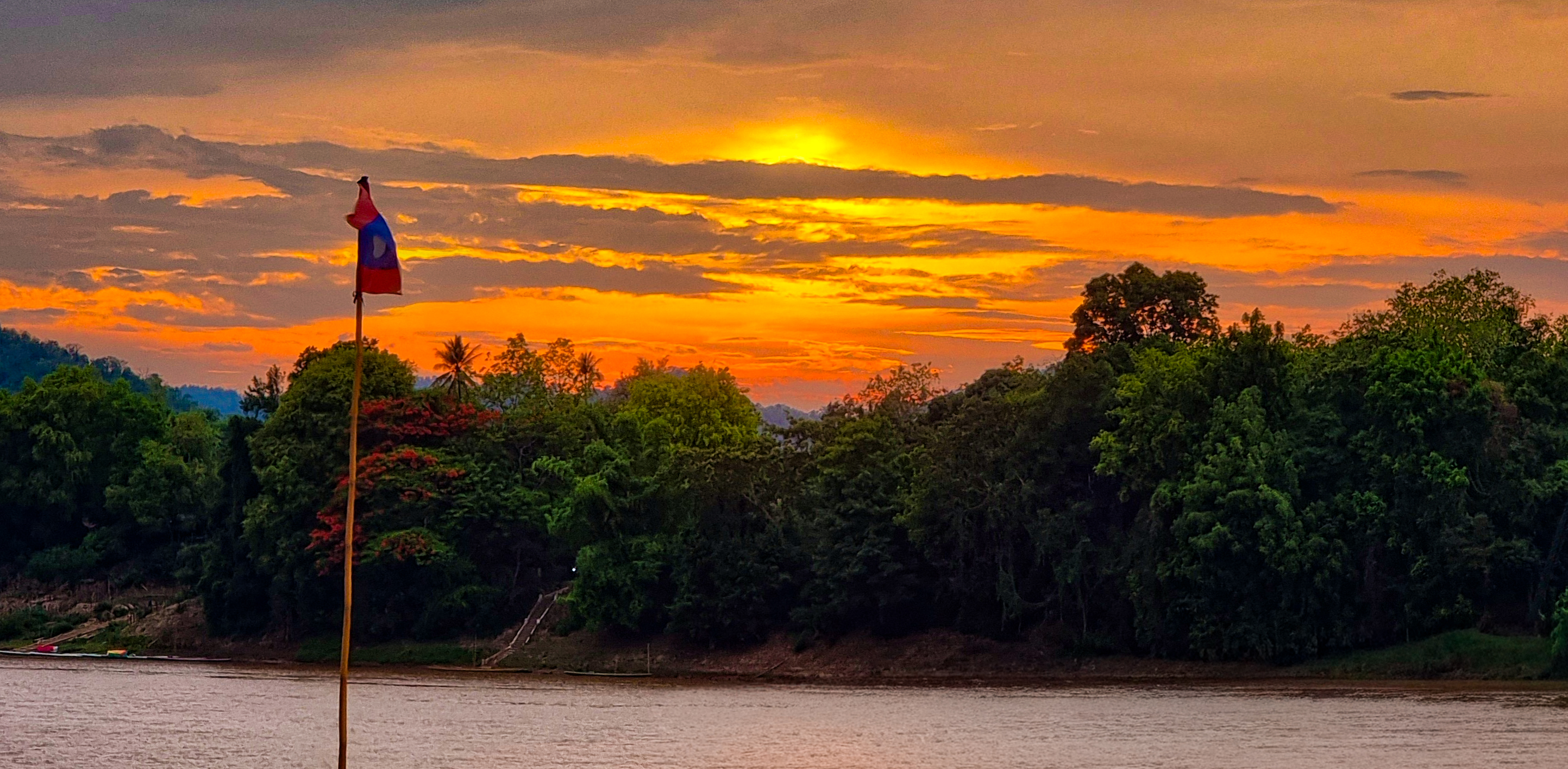
It became quite obvious to me last year that travelling is basically the best thing in the world. Finally leaving the small bubble of your hometown to explore the endless amounts of countries, cultures and cuisines, and meet people from all walks of life, is maybe the most fulfilling venture you can take. That said, you’ll never be able to travel to every corner of every country, so having a bucket list is a good idea. I thought I’d put mine down here, to remind myself of where I need to go next, but also to maybe give you some inspiration for where to book your next flight.
1. South America
Ok, I know this is quite vague. South America’s pretty big. But if I listed the countries separately then this list would be huge. I’ve actually been to South America once before: when I was 16, I spent a month in Peru and Bolivia through an expedition company that came to our school. We spent the time hiking the Salkantay Trek, making the walk up to the top of Macchu Picchu for sunrise, taking Jeeps across the Bolivian salt flats, learning how to make coffee by hand in the jungle, and eating lots (and lots) of street food. It was my first time going away somewhere without my family, and the first time I felt like I was travelling rather than just going on holiday for a couple of weeks. It opened my eyes to how much of the world there is to see, and it’s an experience that really changed my life. That said, I was only 16, and I went with a couple of teachers from school, so I feel like now I’m in a position where I could go back for longer and really explore on my own. Peru was amazing, and I’d definitely go back; we didn’t see any of Lima, just an overnight stop in a homestay before an early morning flight to Cusco, so I’d have to explore the capital. I also need some more Inca Kola, the greatest drink on the planet. I’d also love to go to Brazil and Argentina; these two countries have such great culture and history, and the food looks amazing as well. Plus, going to a game at River Plate’s stadium is on my footballing bucket list, as is the Bombonera, both in Buenos Aires. Football culture in South America is crazy (that’s soccer for you heathens in America), and experiencing the derby between River Plate and Boca Juniors would be insane. I’d love to trek through Patagonia and head down to the southermost point of the inhabited world (that might be in Chile actually… may be a reason to go there as well I guess).
2. Eastern Europe
Again, this is more a region than a specific place, but Eastern Europe is another place, but it’s definitely on the list. I am a massive history buff, and I find the story of Eastern Europe, especially post-World War 2, incredibly interesting. The sheer amount of change that the region has gone through over the last hundred years or so, from empires, to kingdoms, to Soviet satellites, to independence, is captivating. I’d love to go and explore the old cities, which have such a long history and culture; places like Dubrovnik, Split, Sarajevo, Budapest, Prague, Ljubljana, and so on. On top of that, the beer’s cheap. The floating hostels in Belgrade, along the Danube river, look incredible, whilst Fisherman’s Bastion and Buda Castle in Budapest are incredibly historic sites that I would love to explore. I’d really love to get a campervan and do a road trip around Europe, so starting somewhere a little cheaper than the western countries would be ideal. I actually wanted to do that a while ago but never got round to it. Getting a campervan here in Australia is in the plans as well, but we’ll see how we go. Regardless, Eastern Europe is a place I would love to explore; rich history, interesting cultures, cheap booze; what more could you want?
The Danube River flowing through Budapest. Source: budapestrivercruise.com
3. Russia
Expanding on the Eastern European theme, I’ve added Russia separately because a) it’s so big that lumping it into one region would be unfair, and b) most of Russia is in Asia. Again, this is mainly for the history; Russia has such a fascinating past that I would love to go and experience. As well as that, given the size of the country, there are so many different cultures within its borders. I’d love to see the Red Square, the cathedrals of St. Petersburg, the (presumably) mountainous levels of museums spread across Moscow, revel in the architecture, explore the local food scenes. I’d also love to head out east and see some of the less populated places, and see how different life is there. The far eastern regions of Russia, near the borders with China and North Korea, would be amazing to go to, just to see how the people live. If anyone’s ever watched Bald and Bankrupt’s Youtube videos where he explores all the Soviet republics, you’ll see why Russia, and the rest of the former USSR, is so intriguing, especially when he goes off to the more remote areas and meets the locals. Of course, this probably won’t happen while the war is going on and Putin is still in charge. I think the government are probably a bit cautious of westerners trying to get in at the minute, especially from countries who have openly backed and supported Ukraine, like Britain has. But one day, hopefully, I’ll be able to visit.
Of course, this shouldn’t be taken as an endorsement of the Russian government or what they’re doing in Ukraine. It definitely isn’t, but that doesn’t mean that visiting the country in the future should be ruled out. Most countries have had bad leaders who have done bad things at some point. I’m British, we’ve killed millions of people and occupied over a third of the world over the last 300 or so years; that doesn’t mean you shouldn’t come and see Stonehenge.
4. India
Another country with an incredible history is India. Again, like Russia, its sheer size means there is always somewhere new to explore and a new culture to get to grips with. As well as that, Indian food is some of the best in the world, so being able to taste it where it’s made would be amazing. Of course, the Taj Mahal would be a must-visit destination when in India, but there are so many other places that would be cool to see as well. From Goa to Puducherry, Mumbai to Delhi, there is such a wealth of culture, history, and cuisine to get through, that you’d have to stay for a good period of time to fully explore as much as possible. I would also love to travel to Kerala, which has a huge variety of environments, from coastal resorts and beaches to rolling hills and mountains, whilst the food is rich and varied. On top of Kerala, Kolkata also has a massively rich history and architectural landscape that would be amazing to see. Full of street art, markets, some of the best street food in the entire country (so Google says), as well as a whole host of museums and galleries, there is so much to see and do (and eat). India as a whole has over 40 UNESCO World Heritage Sites, and is one of the oldest civilisations in the world, so it is definitely one to explore in some depth.
5. Ireland
It doesn’t really make much sense that I’ve never been to Ireland, seeing how close it is to the UK. You can get there by ferry in about an hour, and flights are cheap and frequent. Either way, I haven’t yet been there. That needs to change, if for no other reason than to have a load of Guinness. Going on the hunt for the best creamy pint sounds like a pretty good reason to go on a Dublin pub crawl, but there is still so much more to see. The Ring of Kerry road trip looks like one of the most stunning in Europe, and there are places like Cork (home of the famous Blarney Stone, which is meant to bring good luck if you kiss it), Galway and Limerick to experience the history, landscape and culture. You’ve also go the Wicklow Mountains which would be a great place to hike and camp for a few days. On top of that, the Irish are renowned for being some of the friendliest people in the world, so you’ll have good craic in the pubs.
Obviously, this is just a brief snippet into all of these places. I couldn’t possibly list everywhere in one article, but hopefully this is enough to get you inspired for your next trip, or to start thinking about making your own bucket list, so you know where you want to go and see.
Heading off for the first time? Make sure you’re prepared with these handy tips!
Once you get things sorted you could be experiencing views like this
As a seasoned traveller (spiritually; in reality it’s only been four months), there are a number of things I learned on my first solo trip that I wish I’d known before I went. Some of them are fairly obvious and self-explanatory, but there are plenty of things that you can overlook with the hundreds of things you need to sort and organise before heading off. If you’re in the midst of planning your first solo trip, here are some tips that will hopefully help you out.
1. Don’t overbook – be spontaneous
Planning your route for the first time can be quite overwhelming. There’s so much to see and do; so many places you’ve seen fellow travellers raving about on Reddit, so many tours you’ve seen on GetYourGuide. How can you possibly condense it into one trip? (Hint: You can’t. So you’ll just have to go again.) While having a schedule can help you feel organised and ‘ready’ to go, once you’re there, it won’t take long for plans to change. And they should: you meet people, you want to hang out with them, they want to hang out with you. Maybe they planned to go somewhere you weren’t planning on; maybe you extend your hostel stay for a few extra days because you love it so much. Overbooking can destroy the spontaneity that should exist on these trips.
Before my trip, I had an itinerary of everywhere I was going to go, and the exact amount of days I was going to be there for. While it still gave me a nice outline of my direction of travel and kept me on track to not run out of money or overstay any visas, I didn’t follow the plan that I had laid out months in advance. And it was still great. So don’t worry about it too much. Book your hostels a couple of days in advance (more on that later), and you can book transport with as little as 12 hours’ notice from your hostel to the next place you’re going; if you can’t book directly with the hostel, they’ll be able to advise you how to get there. Spend less time planning and more time imagining all the amazing things you’re going to do.
My Vietnam itinerary. It was far too regimented and scheduled, and I ended up visiting different places anyway.
2. Don’t overpack
No one likes carrying too much. Remember how it feels when you have to carry three bags of groceries when you thought you’d only have two, the handles of the carrier bags digging into your fingers, making you curse yourself for not just getting it delivered? Now imagine that with much bigger bags, for months at a time. Across multiple countries. See my point? Ideally you’ll fit everything you take into two bags: your big backpack for your clothes, shoes, toiletries, essentials etc., and a day bag, a smaller backpack you’ll take with you carrying the things you’ll need on a daily basis: a portable charger (always always always), sunglasses, a hat, a water bottle, sun cream, insect repellent, deodorant (these three particularly if you’re going somewhere hot and humid like SE Asia). If you can get away with it, even a bum bag would be ideal to fit that stuff in.
That said, if you like buying souveniers like I do, you will probably end up with another bag. I left with everything across two bags and had to get another to store all the things I bought along the way. I probably had to overpack for my trip as I was moving to Australia at the end of it, so wouldn’t be going back home. If I hadn’t been, there were definitely things I would have left at home. It might be tempting to pack loads of underwear and shirts, as initially I wasn’t sure how the laundry situation would play out. That wasn’t an issue: every hostel has washing machines (and most of them have dryers as well). If they don’t, there’s always laundry places within walking distance of the hostel, and it’s always very affordable.
Also, saving space when travelling is crucial, so make sure you buy some good quality compressing packing cubes for your backpack. These will help you keep everything organised, and save space in your bag. I got these Cipway ones off Amazon and they were perfect.
Obviously, where you’re going and at what time of year will determine what clothes you pack, but take less than you probably think you need. Then you’ll still have room for all the magnets.
3. ESims are useful, but can be costly
A local Sim is a great way to avoid those pesky data roaming fees, but when you’re first travelling, you’ve got enough running through your mind to sort out without thinking about phone data. In fact, it wasn’t something I’d even considered until the day before I left, when I suddenly remembered that the £2 a month plan I’d switched to so I could keep my UK number wasn’t going to work in Bangkok. Enter the eSim. Easy to install and download, it gives you instant data the second you land, just the convenience you need to tick one problem off your list. Imagine making your way through customs, with that pit in your stomach that the officers are going to find something in your bag even though you know nothing’s in there; panicking that you haven’t got the right visa as you go through passport control, working out where to pick your luggage up from, and then BAM. No service, no accessing Google Maps to find out how to get to your hostel (of course the airport WiFi doesn’t work, what did you expect?), no booking a Grab/Bolt/Uber (depending where you are), having to get stung by the taxis waiting predatorially outside the airport for the innocent new arrival with no other alternative. Airalo is one of the best platforms for eSims and one that I used most of the time.
Of course, with that convenience comes an added cost. The 30-day eSim with unlimited data in Thailand was £30, and it was data only, meaning no local number. You can find Sims for sale in the airports, although they are more expensive than the ones you will be able to find once you are out the airport and in the city. Have a look on Reddit for an idea of where the best Sim deals are when you land. While I did use eSims during my travels, they were significantly more expensive than local Sims, without having a working number if you needed to make a call.
4. Hostelworld is your best friend
This isn’t sponsored (although if you want to Hostelworld, hmu bby xx), but Hostelworld is the best way to book accommodation and find friends when you’re travelling. Not only do they have all the hostel options available in a given place, they also give you access to a city-wide group chat, including everyone else who has booked through the app. These groups are a hub of activity, with people making plans and inviting people to meet up and join them. You can set your interests in your bio so like-minded people can find you and vice-versa, and you can set that you’re looking to meet people, making it more likely for others to message you to see if you want to meet.
I made countless friends through the Hostelworld group chats, from going out for dinner, meeting up for a drink, going to explore the local temples and sights, checking out a market, grouping up to split the cost of a taxi to a sunset spot and stopping for drinks on the way back, you’ll meet as many people as you want through this app. And it’s free. Can’t argue with that.
Seriously Hostelworld, collab???
5. Cash is king
Again, this depends where you’re travelling to, but in Southeast Asia, having cash is vital when it comes to paying for the everyday items. Buying food from a stall, getting goods from a market, even going to the supermarket for supplies: many places don’t accept card, so cash is super important. Stopping at an ATM will become an almost daily routine. It will also help you get around foreign transaction fees that your bank might have set. I set up an account with Monzo before I left – they are an online-only bank in the UK that have no foreign fees, so it was a good way to cut the costs down a little.
As an aside, if you’re in Thailand, when using a foreign card at an ATM, the machine will ask if you want to confirm the conversion rate. Always press NO: these rates are set by the banks and are really low, if you press no, then it reverts to the international conversion rate; at times, I got an extra £8 than I would have if I’d accepted the ATM’s rate. Plus, any leftovers can go in your scrapbook and look cool. Or keep them in your wallet and let it be a daily reminder that you have unfinished business with that bun cha place in Hanoi’s Old Quarter.
6. Learn some handy phrases in the language
It always helps when you can understand what people around you are saying. If English is your first language, you are blessed, and you will very quickly realise that. On my travels, I met people from all over the world, and the only reason I was able to talk to them was because they all speak English. It did make me realise how fortunate I am to be a native English speaker. Don’t take it for granted though; make an effort to learn some of the basic phrases at least. That way you’ll be able to get by a little. Learning how to say hello, goodbye, please and thank you will get you a long way with the locals. Of course, Google Translate is great for helping you out when you need to put together a sentence or question, but taking the time to learn some of the lingo will really enhance your trip. There are plenty of sites and forums where you can learn the basics, and YouTube is obviously a wealth of information.
On top of that, learn the local customs: how to greet people, how to use your hands, whether it’s rude to have your toes pointed at someone when you’re talking to them. It’s the little things that show the locals you’re not an ignorant tourist, and that you actually care about and respect their culture.
7. Hostel activity nights are great to meet friends
Hostels are where other travellers are staying, right? Why wouldn’t you hang out in them to meet people? All hostels have events on different nights of the week. From pub quizzes, pub crawls, beer pong tournaments (they mainly revolve around drinking), to organised walks, tours and cooking courses, there’s something for everyone. I even stayed in some who put on yoga sessions every morning. This is the perfect way to meet other travellers and team up. Most nights, hostels will have a happy hour (or even an hour of free beer, like the hostel I stayed at on Cat Ba Island, who also did free breakfast every day and a free barbecue every Wednesday – great for my bank account, bad for my waistline), the perfect way to get to know other travellers over a cheap beer or cocktail.
And, of course, talk to your roommates. I mean, they’re right there. 99% of other solo travellers will be easygoing and approachable, especially when you’re going to be sleeping in the same room. When I arrived at my hostel in Koh Tao, I got talking to the girls in my dorm, we hung out for the four days I was there, we learnt to ride motorbikes, went to the beach, went out drinking, and then two months later I ran into one of them at my hostel in Phong Nha. Small world. Or in Kampot, Cambodia, when three girls travelling together from England and one girl from Germany moved into my room the day after I got there; we went up to the bar for happy hour, and hung out for the next three days with a German guy the German girl met while checking in. Over a year on, we’re all in a group chat together, and I’ve been hanging out again with one of the English girls who is over in Sydney for a few months. Plus, making friends from other parts of the world gives you an excuse to go there to see them (and maybe even get somewhere to stay for free).
8. Eat where the locals eat
If you’re a foodie like me, trying new cuisines is one of the best parts about travelling. Your eyes (and mouth, and nose) are opened to a whole new universe of flavours, ingredients, methods, and smells. You might even have no other option but to learn how to use chopsticks. While there’s nothing wrong with treating yourself to a meal at a nice restaurant, the best meals are the ones where you can’t read the menu and have to point at the pot of boiling brown-ish liquid that the old woman on the other side of the cart has had bubbling away since 6am, eaten on a plastic stool on a low table on the side of the road with a cold beer to wash it down. Those are the meals I miss the most. On your own, these spots are fantastic; with some friends (that you met using all the handy tips I’ve given you) they are the most memorable moments of your trip.
Allow yourself to get lost through the maze of markets and food stalls; let your nose guide you to your destination like a 1950s cartoon character wafting towards the cherry pie sitting by the open kitchen window. Find a stall or roadside eatery where the menu is one side of A4, laminated, and only in the local language. Make sure an old person is the one behind the pots, and make sure you load it with chilli. When they point at something, nod. When they go to add the weird meat that you’ve never seen and have no idea whether it’s flesh or innards, let them. They’re the ones cooking. And when you’ve finished every drop, every slurp of the heavenly, sweet, salty, spicy broth that wasn’t absorbed into those fresh noodles, remember that you could’ve just had a Big Mac instead.
Meals like this are everywhere if you’re willing to explore
9. Get travel insurance
This is a non-negotiable. Make sure you are insured if you go anywhere. You don’t want to end up uninsured in a foreign hospital, not knowing what’s going to happen or how much it’s going to cost you. One accident could cut your trip short if you end up using all your funds on treatment. All the big insurance companies offer coverage for solo travelling, with options covering multiple countries, and a range of activities. I took my insurance out with True Traveller; coverage for the 127 days I was travelling cost £356, including coverage for my luggage, money, documents, and phone. That’s less than £3 a day. There’s really no excuse to not get it. Luckily I didn’t have to make a claim on my insurance, but better safe than sorry.
Side note: If you’re going to Vietnam and plan on doing the Ha Giang Loop (which should be everyone going to Vietnam; if you aren’t, change your plans IMMEDIATELY), most insurance companies no longer cover the Loop due to a “high number of claims” (pretty sure the point of insurance is so we can make a claim but whatever), so you’ll have to book through a company like Big Cat who do cover it. Cover for the 4 days, including luggage, cost me £54.
10. Get used to riding on the back of a motorbike
I guess, again, this depends where you’re going. This is very much based on my experiences in SE Asia, where Grab and Bolt bikes are everywhere and are super, super cheap (by cheap, I mean they were like 20p). And also, when it’s 35 degrees, you don’t want to have to walk everywhere, do you? I didn’t get on the back of a Grab bike in Bangkok; it took me nearly a week to pluck up the courage; I’d never been on a bike before then, and holding on for dear life for the first, five-minute trip, I lost my hat on the streets of Chiang Mai. Luckily, I found an identical one the next day and all was forgotten. But, very quickly, you’ll realise that the Grab drivers actually know how to ride a bike, and it will soon become one of the best parts about the trip; whizzing about the city on the back of a bike, weaving in and out of the manic traffic, wind blowing off your face (not through your hair, wear a helmet please), taking in the scenery.
If you’re elsewhere, I guess the recommendation would be to make sure you know your way around the public transport system, if there is one. I would imagine if you’re in Europe for instance, Ubers will be significantly more expensive than the Grabs are in Thailand and Vietnam. Public transport is still a great way to get about and see your surroundings, and I particularly enjoyed the Metro in Bangkok. Either way, knowing how to get about without having to rely on expensive taxis is definitely one of the best ways to keep your expenses down. And of course, don’t forget about just going for a walk. Let yourself get lost down the side streets and back alleys. That’s often the best way to truly, fully explore somewhere, off the beaten path.
Hopefully these tips will help you as you prepare for your first trip. Not everything will go to plan, and that’s okay. Obviously there are more to check through before you leave, such as visa and vaccination requirements. Just embrace everything that comes your way, and enjoy every second of it. You’ll probably realise within a couple of days, once the jetlag wears off, that you’ve just made the best decision of your life.
On arrival in Vietnam’s capital, exploring the sights and the smells of the streets
Vietnam has always been top of my travel list. From watching James May ride through the country with a colander on his head as a child, to reading about the Vietnam War and the devastation it caused, to iconic films like Platoon and Good Morning, Vietnam, before finally becoming enthralled with the food and flavours, it was the one country that I told myself I would visit and explore. It got to the point that I was actually a little worried that I had bigged it up so much in my head that it couldn’t possibly live up to the expectations that I’d set. As I sat in the airport at Siem Reap, waiting to fly to Hanoi, I wondered whether the Land of the Blue Dragon would hit the heights I’d imagined. Then I landed.
Turns out I didn’t need to worry at all.
The ride from the airport to my hostel was fairly standard. I booked a Grab and headed off to my accomodation, which was directly opposite the cathedral. Good start. After I dropped my bags off, I did what I always do when arriving in a new place: I went for a walk. I had arrived at 9pm, and so I needed to go and get something for dinner. Heading out of my hostel, I was immediately greeted to a sight that I would not tire of: bunting adorning the streets of the Vietnamese flag and the hammer and sickle, with motorbikes parked alongside.
Is this not the most Vietnamese street you’ve ever seen?
The air was cool, the atmosphere was lively, there were horns blaring in all directions, something you very quickly get used to. There are nearly 77 million motorbikes in the country, so the chaotic roads become second nature after a few days. I very quickly knew that Vietnam was indeed going to live up to the hype. I walked around the area until I found some refreshments. First, I stopped at a juice stall, Tiệm trà trái cây Bibin, and got a freshly squeezed orange juice (35,000 VND, £0.98 – you’ll see why it’s so easy to eat and drink here), where I bumped into an American man who had married a Vietnamese lady and had moved to the north of the country. We had a good chat, he gave me some recommendations and his business card for his ice-cream shop in the north of the country, inviting me if I was ever in the area. Then, he kindly offered to pay for my juice, before departing into the night with his wife. After I finished my juice, I headed next door to have my first Vietnamese phở.
That sweet, sweet brothy goodness… and the first of many, many MANY Vietnamese beers
I found myself at Phở Gà Nguyệt, just a four minute walk north of my hostel. A phở place that only does chicken – a varying mix of breast, thigh, back, wings, and offal. When I arrived at 11pm they only had chicken breast left, so they gave me extra meat. The phở cost me 55,000 VND (£1.55 – see?!), while the beer, Bia Hanoi on this occassion, was a whopping 20,000 VND (£0.56!! – dangerous). It was everything a phở is supposed to be – rich, soothing, with big chunks of tender, juicy chicken. The chillies were as spicy as you would expect, and the vibes of sitting on a plastic stool on the side of the street, watching the late night crowd go by with a hot bowl of broth and a cold beer, were every bit as exhilarating as they were in Thailand and Cambodia previously. But Vietnam feels different, it is different. Everyone I’d met who’d been to Vietnam already had told me. Now I was starting to understand what they meant. All I’d done was land, drop my bags off and get some dinner, and I felt the difference. And I still had another six weeks to go.
Thanks for reading Another Brit Abroad! Subscribe for free to receive new posts and support my work.
The next day consisted of some sightseeing. I decided first to check out the Cathedral, seeing as it was right outside my hostel. As in, I was awoken by the bells chiming on the hour, and I could see it out my dorm window. The scale of the building was magnificent, and walking through the streets you could feel the remnants of French occupation in the buildings: the cathedral was one of the first buildings in Hanoi to be constructed by the French colonial government in the 1880s. It was then shut down after the Viet Minh took control of North Vietnam until 1990, when Mass was allowed to observed on Christmas Eve. It was built in the Neo-Gothic style, which is why it stands out as being very ‘European’-looking. I then took a walk up to Hoan Kiem Lake, just a ten minute walk, taking in the picturesque views of the famous red bridge and Ngoc Son, a temple on an island in the middle of the lake, an ideal spot for peace and serenity in the heart of the bustling city. After a pleasant stroll around the temple, it was time for lunch.
The entrance to Ngoc Son Temple
The bánh mì was born in 1950s Ho Chi Minh City, pairing French produce introduced in the 1860s – baguettes, pate and mayonnaise – with Vietnamese staples such as pickled daikon and carrots, chilli sauce, and local cuts of meat. The invention came a out following the partition of Vietnam in 1954, when over a million North Vietnamese moved south. When in Vietnam, you will eat hundreds of them. I certainly did. My first encounter of the legendary food came at The Banhmi by Kun, and was the classic filling of Vietnamese sausage, with plenty of pate and pickled vegetables. The crunchy bread, smooth pate, crunchy pickled vegetables, spicy chilli sauce and fragrance of the sausage was a match made in heaven. There’s a bánh mì spot on pretty much every street in Vietnam, so go and explore.
Bánh Mì 1/????
After that, it was time for a coffee. I’d stopped in a few shops and bought some souvenirs which I sent home, and now I’d worked up a thirst. Vietnamese coffee is essentially rocket fuel. It’s stronger than any coffee I’ve ever had, so a word of warning: if you have it black you’ll be awake for about three days. Luckily, Vietnam does some incredible things with coffee, the most notable of all being egg coffee. Created in the 1940s when milk became a scarcity, egg coffee consists of egg yolks whipped with sugar and condensed milk, and poured on top of an espresso. It’s thick, rich, and desert-like, cutting through the strong coffee perfectly.
Egg coffee
Vietnam might be one of the best places to eat and drink in the region, and possibly in the entire world. The variety of broths, noodle and rice dishes, grilled meats, sandwiches, and coffee means you will never go hungry and never get bored. And it’s super cheap as well. More importantly, so is the beer. In some places you go, beer is actually cheaper than water. Some of my favourites outside of phở and bánh mì include bún bò Huế (a spicy noodle soup form the ancient capital), bún chả (a cold noodle coup with grilled meatballs and herbs), cơm tấm (broken rice served with pork ribs, a specialty in Ho Chi Minh City).
My last stop that evening was, of course, Train Street. The famous narrow street where you can grab a spot at a bar, cafe or restuarant as on the side of the tracks and watch a train pass through the centre of Hanoi. Very much a tourist spot, as the drinks and food are much more expensive than elsewhere in the city, but if you’re going to Hanoi you can’t not go. The seats are super close to the tracks so make sure you don’t get run over. Lots of people make a souvenir by sticking their beer cap on the track for the train to flatten it.
Train Street at peak evening time
Another must-visit spot in Hanoi is Hoa Lo Prison. It was set up originally to house Vietnamese political prisoners under French rule, before it was turned into a prison for American POWs during the War. It has since been converted into a museum. The entry fee is 50,000 VND (£1.40), and for the same price you can rent an audio guide. The museum consists of the original French-built section for political prisoners, the guillotine room, and living quarters for Vietnamese prisoners. Much of the Vietnam-war era section has been demolished, and there is just one room dedicated to the American POWs, including former U.S senator John McCain, who was held there.
After my time in Hanoi, I went north to do the Ha Giang Loop. That’s another story for another time. But Hanoi let me know that Vietnam would be everything I had imagined it to be, and much more.
Discovering my favourite dish in the world, and my love of all things noodles, in Chiang Mai
It seems weird to say now, but before I left England, my experience of Asian food was Chinese takeout and the occasional dabble into rice and noodle dishes that my mum would make at home (we ate a lot of rice, but it was just boiled, or occasionally egg-fried). I couldn’t use chopsticks, but I thought I could handle spice pretty well. I watched a lot of cooking shows and videos and was fascinated by the endless array of broths, soups, spices, use of unusual cuts of meat (chickens feet, tripe, insects), without ever having the opportunity to explore it first-hand. The only options for food in my town were fish and chips (not that that’s a bad thing), an endless array of Chinese takeaways, all mainly serving the expected staples of chow mein, a non-descript chicken curry, chicken balls, and an omelette for those odd enough to go to a Chinese takeaway and not get anything remotely Chinese, and the Indian curry houses which became popular in my late teen years after a night at the pub. There was also one Italian restaurant, which I worked at for seven years, which exposed me to my love of cooking and food (and now I make a great bolognese), and probably explains why Italian is my go-to cuisine.
That all changed when I landed in Bangkok. I’d finally built up the courage (and funds) to book a one-way ticket out of England to see some of the world. Sitting at the departure gate at Heathrow, waiting to board my twelve-hour flight, my head was filled with all the sights, sounds, smells and tastes I was to encounter in my four months on the road. The organised chaos of the roads, endless motorbikes roaring past, zebra crossings made redundant as you fight your way across the streets. The wafting scents of food stalls and street markets, vats of broth bubbling away for hours on end, the olfactory nerves on high-alert, ready to search for the one dish that could change your perception of the world. I dove head-first into street vendors in Bangkok: a Pad Thai on Khaosan Road (eaten with a fork, the true western heathen I was); varying noodle soups at a stall round the corner from my hostel and the flower market; an array of barbecued meat skewers and grilled fish from Chatuchak Market; a tom yum goong in Chinatown, full of fragance and spice. These were all great, and had me excited for the rest of the food that was to come. But then it was time for me to leave Bangkok and head to a city which quickly became my favourite in the world.
Chiang Mai.
If you’ve ever been to Chiang Mai, then you already know what dish I’m talking about. On my travels I met plenty of people who have been to Thailand’s second city, and every single one of them loved it as much as me. And it’s not just the food here that’s amazing: the scenery, culture, attractions; everything about Chiang Mai draws you in and makes you never want to leave. The old town square, surrounded by a moat (old school) built in 1296, has the perfect mix of serenity, nightlife and culture, with plenty of temples and monuments to get lost in, as well as, of course, being close to the Doi Inthanon National Park and numerous elephant sanctuaries (pick an ethical one please). But, obviously, anyone who’s been to Chiang Mai talks about one thing and one thing only: khao soi.
The first, life-changing khao soi
11th February 2025. 8:39pm. That’s when I first laid my eyes on such wonder.
That glorious bowl of rich, thick, coconut milk broth; luscious egg noodles; tender, fall-off-the-bone chicken drumsticks; those crunchy fried noodles; the kick of the chilli oil; the sweetness of the raw onion; the punch of lime juice; the tartness of the pickled mustard greens: heaven. Wash it down with a Chang and you’ve got one of the best meals on the planet as far as I’m concerned. That first spoonful of the broth told me that, just five days into my four-month long adventure, I was exactly where I was supposed to be in the world.
Thailand has many great dishes: pad kra pao, massaman, panang, drunken noodles, boat noodles, a whole host of fried rice dishes, the famous papaya and mango salads, and, of course, mango sticky rice, maybe the best dessert out there. South East Asia as a whole has some of the best food in the world; loc lac (a personal favourite of mine from Cambodia), pho, bun cha, bun bo Hue, the humble bahn mi (I like Vietnam, can you tell?), larb to name a few. But nothing will ever compare to that first bite of khao soi at that market in Chiang Mai. It opened my eyes to the fact that there’s so much more to Thai cuisine than just fried rice and fried noodles. The complexity of flavours in one bowl was mind-boggling. And, eating so much khao soi in my five days in Chiang Mai helped me learn how to use chopsticks. Now, I’m a pro (ok, maybe not).
The khao soi isn’t the only food from the city that stays in my memory, though. One night, whilst a few Changs in, myself and the group of friends I had made through Hostelworld ventured through the streets looking for a quick meal. We stumbled (literally) upon a small restaurant five minutes before close, and they were gracious enough to make our order to take away. Fish and pork isn’t a combination particularly popular in England, so when, in my drunken and curious state, I saw a salted fish and pork mince fried rice on the menu, I went for it. I don’t know what restaurant it was, but that plastic takeaway tub of fried fish, pork and rice I ate sitting on a bench looking out over the old square’s moat was quite comfortably the best food-after-a-night-out that I’ve ever had. And I’ve had some good kebabs.
The drunk food that I will never forget
I even took the time to learn how to make the khao soi paste from scratch. Black cardamom (the key ingredient) turmeric, ginger, shallot, garlic, a heap of dried chillies, pounded and turned into a paste, fried off with coconut milk, water, soy sauce, palm sugar and fish sauce. I followed this great video:
The only thing that was really missing from the authentic, Chiang Mai stalls was the thickness of the broth. Perhaps a cornstarch slurry would do the trick? Anyway, I highly recommend making it for yourself, even if you have a good khao soi available near you (Sydney has a few that I’ve discovered so far, Melbourne has a fantastic restaurant called Khao on La Trobe Street). A good Asian grocery near you should have the black cardamom which isn’t typically sold in restaurants, and the pickled mustard greens; I’m sure you can order them online as well. If you’re veggie or vegan, you could replace the meat with tofu, tempeh or mushrooms, and omit the fish sauce for salt. Regardless of your dietary preferences, make khao soi, or get it from a restaurant, and then come back here and tell me it’s not the greatest meal you’ve ever had.